

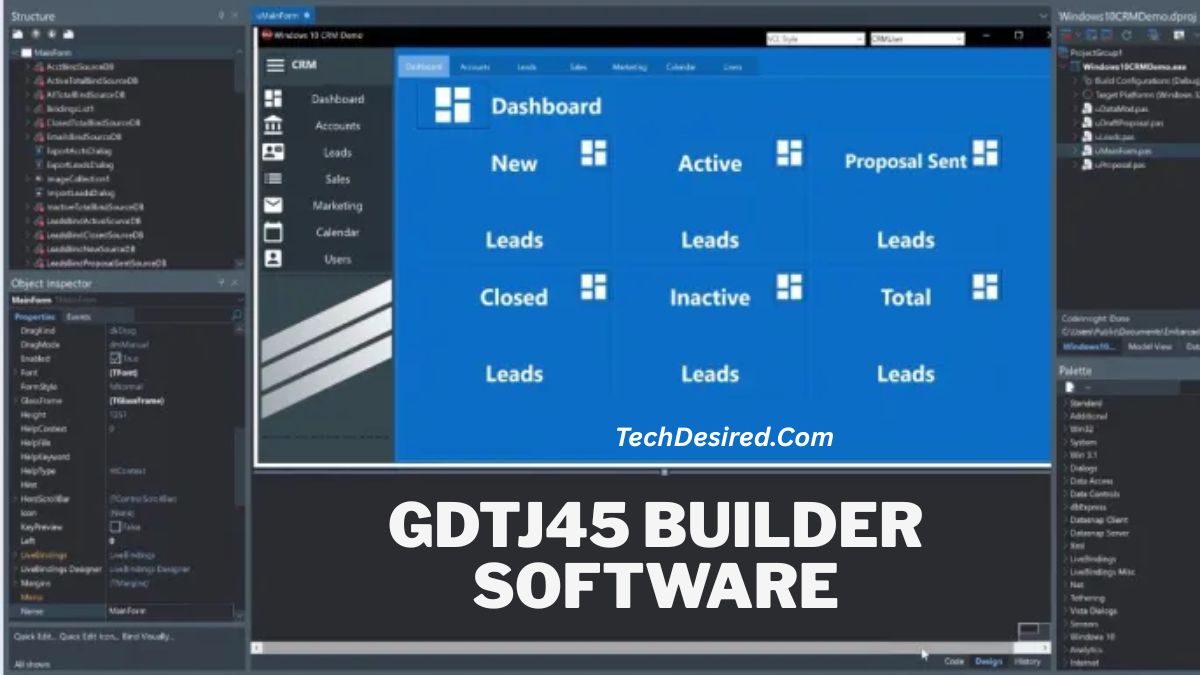
Are you looking to streamline the creation and management of network cabling projects, but feel overwhelmed by technical complexity? The right software can turn a daunting task into a smooth, efficient process. GDTJ45 builder software is a specialized tool designed to do exactly that, offering a structured digital environment to design, configure, and manage network infrastructure builds.
This guide is crafted for anyone stepping into the world of network setup, from IT students and junior administrators to small business owners handling their own tech. You don’t need to be an expert to get started. We’ll break down everything you need to know in simple, actionable steps.
By the end of this guide, you’ll understand what GDTJ45 builder software is, its core features, how to install and use it effectively, and how it can save you time while preventing costly errors in your network projects.
What Is GDTJ45 Builder Software?
GDTJ45 builder software is a digital application designed to assist in the planning, configuration, and documentation of structured cabling systems that use RJ45 connectors—the standard plug for Ethernet cables. Its main purpose is to provide a visual and logical framework for building reliable network infrastructure, replacing error-prone manual methods like spreadsheets and hand-drawn diagrams.
Think of it as a project builder specifically for network pathways, connections, and terminations. It allows you to map out cable runs, define connection points, and specify standards (like Cat5e, Cat6, Cat6a) in a controlled digital workspace. This software is commonly used by network technicians, cabling installers, IT administrators, and facilities managers who are responsible for designing or maintaining physical network layers.
What Is GDTJ45 Builder Software Used For?
This software serves several key purposes in modern network management. Common use cases include:
- Designing New Network Installations: Planning cable runs from server rooms to workstations, including length calculations and port assignments.
- Documenting Existing Infrastructure: Creating an accurate, searchable digital record of all cables, ports, patch panels, and switches.
- Managing Changes and Troubleshooting: Logging moves, adds, and changes (MACs) to keep documentation current, which is invaluable for diagnosing connection issues.
It simplifies complex work by automating tedious tasks. For instance, it can generate comprehensive reports, floor plan diagrams, and cable labels automatically based on your project input, eliminating manual errors and saving countless hours.
Key Features of GDTJ45 Builder Software
User-Friendly Interface
A primary goal of modern GDTJ45 builder software is to lower the barrier to entry. Expect a clean, intuitive dashboard with drag-and-drop functionality, clear icons, and logical menus. Wizards and templates often guide beginners through creating their first project, making professional results accessible without deep prior experience.
Customization Options
Flexibility is key. Good software offers extensive customization for cable types, labeling schemes, color-coding, and connection parameters. This gives you complete control over your build to match specific organizational standards or project requirements.
Performance and Stability
Efficiency matters. The software should run smoothly, handling projects with hundreds of connections without lag. Reliability is crucial—you need confidence that your project data is saved correctly and that the software won’t crash during a complex design session.
Integration and Compatibility
The best tools don’t exist in a vacuum. Look for software that can export data to formats like CSV for use in spreadsheets, generate PDF reports, or even integrate with network monitoring systems. Compatibility with standard Windows or macOS environments is essential.
System Requirements for GDTJ45 Builder Software
Minimum Requirements
To run basic versions of the software, your system will typically need:
- Operating System: Windows 10 (64-bit) or macOS 10.14 (Mojave).
- RAM: 4 GB of memory.
- Storage: 2 GB of available hard drive space.
Recommended Requirements
For optimal performance, especially with larger projects, aim for:
- Operating System: Windows 11 / macOS Sonoma or newer.
- RAM: 8 GB or more.
- Storage: A Solid State Drive (SSD) with 5+ GB of free space for faster loading and saving.
How to Install GDTJ45 Builder Software
Downloading the Software
Always download the software from the official developer’s website or authorized distributors. This ensures you get a clean, malware-free version and have access to legitimate updates and support. Avoid third-party download sites to protect your computer’s security.
Installation Steps
- Run the downloaded installer file (usually
.exefor Windows or.dmgfor Mac). - Follow the on-screen setup wizard.
- Grant the necessary permissions when prompted by your operating system.
- Choose your installation directory (the default is usually fine for beginners).
First-Time Setup
Upon first launch, the software may prompt you for basic configuration. This often includes setting your preferred measurement units (feet/meters), default cable categories, and a company/project naming convention. Taking a moment here will streamline your future work.
How to Use GDTJ45 Builder Software
Start by familiarizing yourself with the main dashboard, which typically houses project files, tools, and settings. To begin a new build, select “Create New Project.” You’ll be guided to input basic details like site name and building floor.
You can then start adding components: drag and drop symbols for patch panels, wall outlets, switches, and workstations onto a canvas or floor plan. Connect these components by defining cable runs—the software will often help calculate cable lengths. Manage these components by editing their properties (e.g., port number, cable type).
Once your design is complete, use the software’s tools to generate reports, labels, and diagrams. Always save your project file internally and export your documentation as needed for your team or clients.
Benefits of Using GDTJ45 Builder Software
- Time-Saving: Automates labeling, reporting, and diagramming.
- Accuracy: Minimizes human error in cable schedules and port assignments.
- Scalability: Easily manage a 10-desk office or a multi-floor building from the same tool.
- Ease of Maintenance: Up-to-date documentation makes troubleshooting and network expansion straightforward.
Common Issues in GDTJ45 Builder Software and Fixes
Software Not Opening
- Fix: Ensure your PC meets the minimum system requirements. Try running the installer as an administrator or reinstalling the software.
Build Errors
- Fix: Double-check your input parameters (e.g., cable type, distance). Use the software’s validation tool if available. Often, errors arise from exceeding specified cable length standards.
Slow Performance
- Fix: Close other memory-intensive applications. If working on a very large project, check if you can meet the recommended system specs, particularly by adding more RAM.
Compatibility Problems
- Fix: Verify you have the latest version of the software. If importing data from another system, ensure you’re using a supported file format (like .CSV).
Best Practices for Using GDTJ45 Builder Software
- Keep Software Updated: Regularly install updates for new features, bug fixes, and compatibility.
- Backup Projects: Save backup copies of your project files to a cloud service or external drive.
- Use Clean Build Structures: Name your components and cables consistently from the start (e.g.,
JACK-01-A,CABLE-01-A-to-PP01-01). - Follow Official Documentation: Refer to the user guide or knowledge base for advanced features and troubleshooting.
Is GDTJ45 Builder Software Safe and Reliable?
Reputable GDTJ45 builder software from established developers is generally safe and reliable. It operates locally on your machine, keeping sensitive network data offline. To ensure safety, download only from official sources. Stability is a hallmark of mature software in this category, with robust auto-save features to prevent data loss.
Who Should Use GDTJ45 Builder Software?
- Beginners: IT students or new technicians will find it an invaluable learning and professional tool.
- Developers or Professionals: Network engineers and cabling professionals use it to deliver precise, standardized work.
- Teams or Businesses: Any organization managing its own network infrastructure can use it to maintain a single source of truth for their cabling.
Final Thoughts
GDTJ45 builder software transforms the intricate task of network cabling design from a chore into a precise, manageable process. Its value lies in preventing real-world errors, saving significant time, and creating professional documentation that stands the test of time. By choosing the right software and following this guide, you’re investing in the clarity and reliability of your network’s foundation. Start with a simple project, and you’ll quickly appreciate the control and confidence it provides.
FAQs
What is GDTJ45 builder software used for?
GDTJ45 builder software is used to design, plan, document, and manage the physical layer of network installations involving RJ45 connectors, such as Ethernet cabling for offices, data centers, and homes.
Is GDTJ45 builder software beginner-friendly?
Yes, most modern GDTJ45 builder software is designed with beginners in mind, featuring intuitive drag-and-drop interfaces, project templates, and step-by-step wizards to guide new users.
Is GDTJ45 builder software free or paid?
Options exist across the spectrum. There are often free versions with basic features for small projects, while professional-grade software with advanced capabilities (like auto-diagramming and reporting) is typically available via a paid license or subscription.
Can GDTJ45 builder software be customized?
Absolutely. A key feature of quality software is its flexibility, allowing users to customize cable types, labeling conventions, color codes, report formats, and more to suit specific project or company standards.